
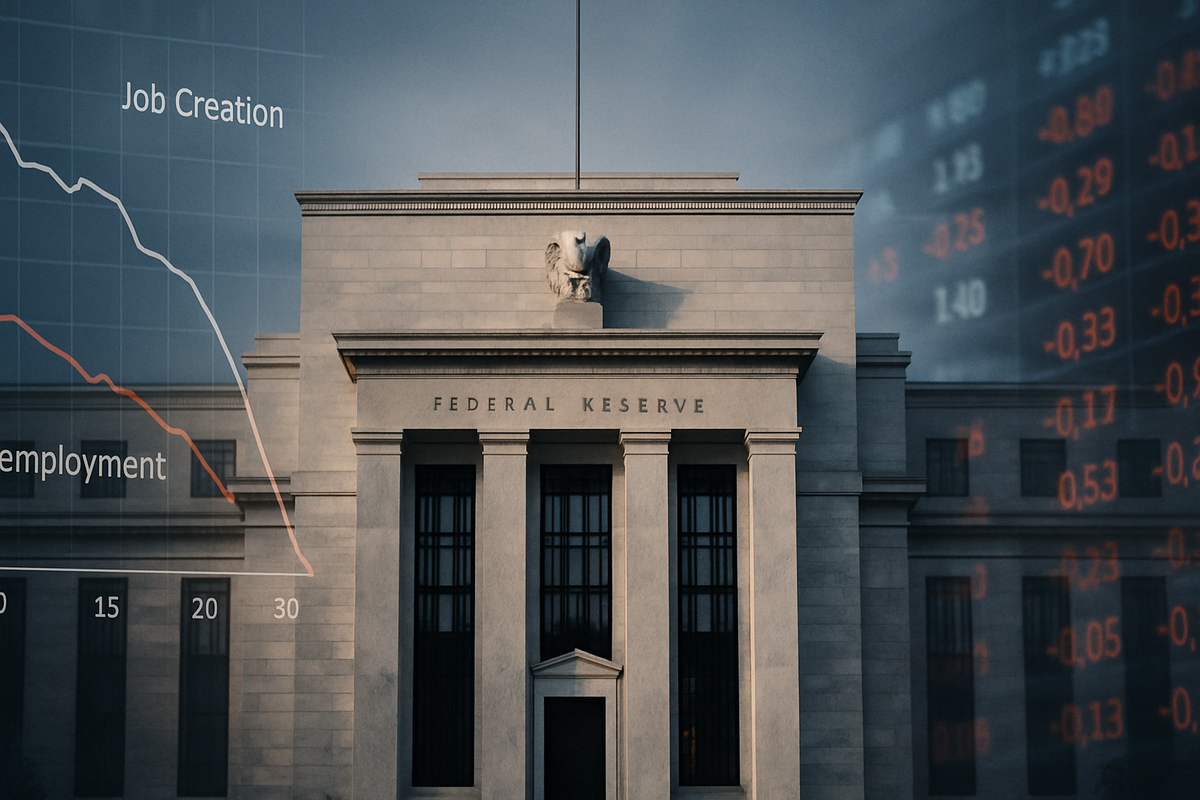


U.S. Labor Market Data Shifts Fed Expectations as Job Growth Surpasses Forecasts
03 April 2026
14 views
U.S. Job Growth Surpasses Expectations, Supporting Strong Economic Outlook
On 3 April, U.S. job growth for March exceeded expectations, fueling optimism about the economy. The Labor Department reported that the economy added 300,000 jobs last month, much higher than analysts had predicted. The unemployment rate remained steady at 4.2%, showing stability in the labor market. This data gives policymakers more confidence in the economic recovery and is expected to impact future Federal Reserve decisions regarding interest rates.
Analysts noted that the strength of the job market signals the economy’s resilience, especially amid higher interest rates. This positive labor market data supports the argument that the U.S. economy can weather the impact of tight monetary policy. However, rising wages, particularly in the service sector, suggest that inflationary pressures may persist, which could prompt the Federal Reserve to stay cautious about cutting interest rates too quickly.
Fed Faces Tough Decisions on Interest Rates Amid Labor Market Strength
The March jobs report has made the Federal Reserve’s task more challenging. Despite stronger-than-expected job growth, the Central Bank may feel compelled to continue its restrictive policies in order to manage inflation. In the wake of this report, bond yields rose as traders adjusted their expectations for future rate cuts. The market is now pricing in a slower path for easing, acknowledging that the job market’s strength could complicate the inflation outlook.
While the labor market is robust, wage inflation continues to be a key concern. If wages keep rising, it could further fuel consumer price inflation, putting more pressure on the Fed to act. Investors will be watching closely for any signs from Fed officials about whether they believe the economy is overheating.
Overall, the March jobs data leaves markets in a state of uncertainty, balancing between positive economic performance and inflation risks. The next few weeks will be crucial as the Federal Reserve reviews this new data and assesses the path forward. (reuters.com)

