Inflation Data Shows Largest Increase in Nearly Two Years
On 10 April 2026, the latest U.S. Consumer Price Index (CPI) revealed that inflation accelerated sharply in March, rising 3.3% year‑over‑year, the largest annual increase in almost two years. The Bureau of Labor Statistics report highlighted a 0.9% monthly increase, fueled largely by surging energy costs driven by the ongoing conflict between the United States and Iran. This marked a significant rise from February’s 2.4% year‑over‑year pace.
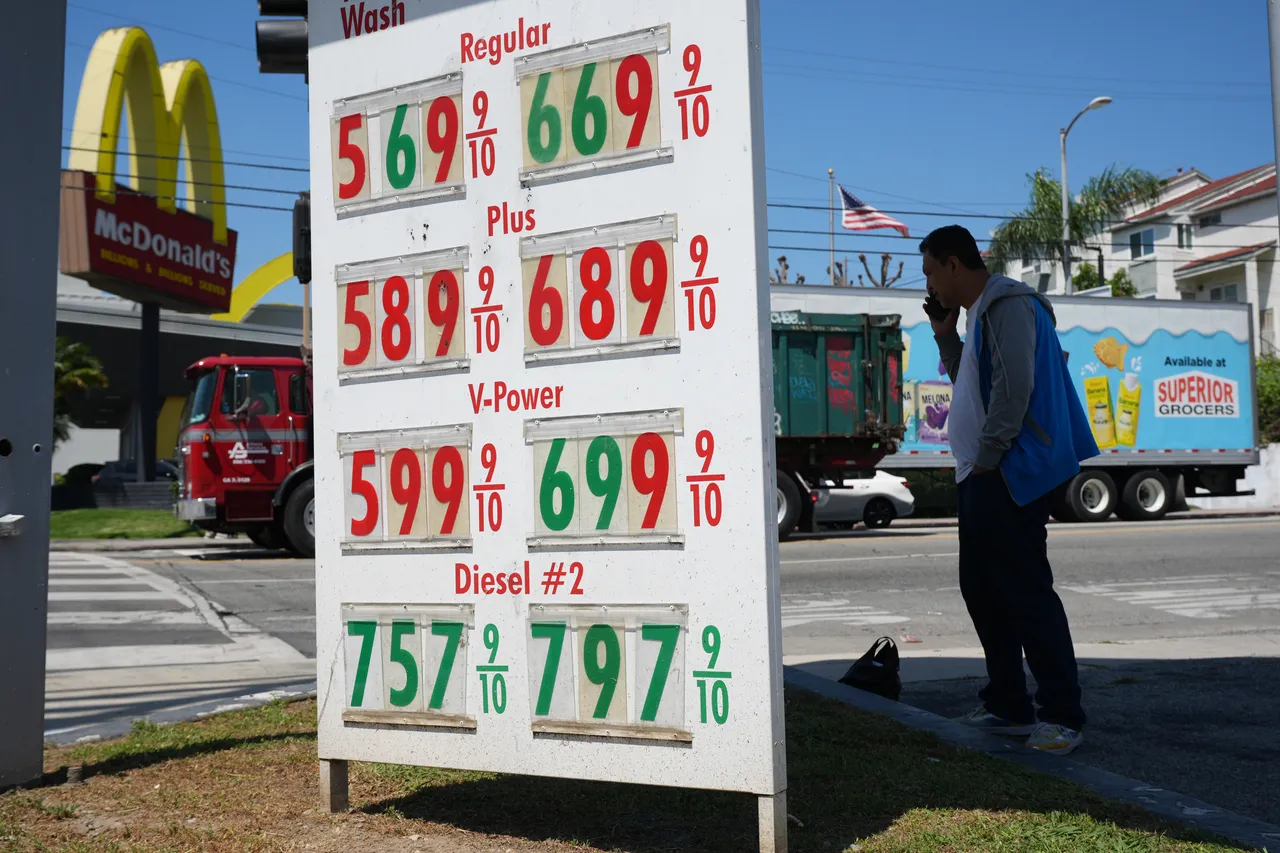
Energy prices were the main contributor to the headline inflation jump. Gasoline and fuel oil costs soared, with gasoline up more than 20% month‑over‑month — the largest increase in decades — as supply disruptions and geopolitical risks pushed prices higher. Shelter and other core components also saw moderate gains, while food prices showed mixed trends. Government data showed that when excluding food and energy (core CPI), prices still rose, indicating broad inflation pressures.
Market Reaction and Policy Implications
Financial markets responded to the inflation data with mixed signals. U.S. stock indexes were uneven — the Dow Jones Industrial Average edged down, while the Nasdaq saw modest gains, largely because technology stocks held up better than broader market segments. Treasury yields ticked slightly higher as fixed‑income traders adjusted expectations for future monetary policy.
Investors are now closely watching how this inflation print will influence the Federal Reserve’s policy outlook. The inflation surprise complicates expectations for rate cuts this year, as policymakers must balance persistent price pressures against concerns about economic growth. Repeated inflation prints above the Fed’s 2% target reduce the likelihood of aggressive easing in the near term.
The broader backdrop remains fragile. The energy shock caused by the Iran war has disrupted supply chains and driven up fuel costs globally, a dynamic now reflected in consumer price indexes. While some core inflation measures were slightly softer than feared, the overall inflation environment remains elevated, keeping pressure on households and consumers.
For traders and investors, the key takeaway is that inflation remains a dominant theme in 2026. With energy prices still volatile and geopolitical risks unresolved, markets are likely to stay sensitive to inflation data, central bank messaging, and macroeconomic releases. This dynamic reinforces the importance of positioning for both inflation risk and policy uncertainty in the weeks ahead.