


Dollar Slides As Markets Reprice Aggressive Fed Rate Cuts
06 января 2026
140 views
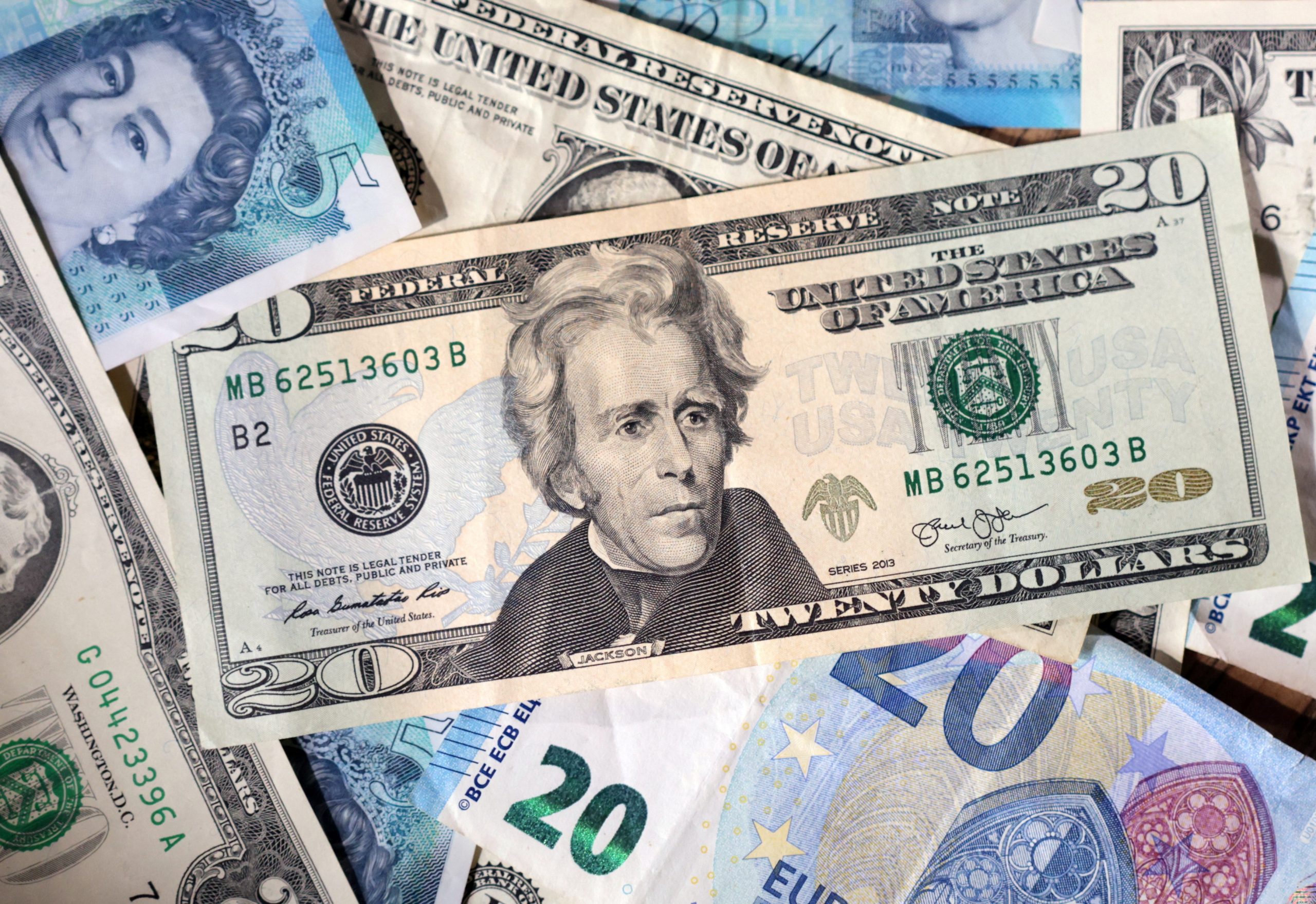
The U.S. dollar weakened broadly as markets sharply repriced expectations for Federal Reserve policy in 2026, with traders increasingly betting on a more aggressive rate-cut cycle following a run of softer macroeconomic signals.
The Dollar Index slipped toward recent lows as falling Treasury yields reduced the currency’s appeal. Short-dated yields led the move lower, reflecting growing conviction that the Fed will begin easing earlier and more decisively than previously anticipated. Markets are now pricing in multiple cuts over the course of the year, as concerns about slowing growth begin to outweigh lingering inflation risks.
EUR/USD and GBP/USD pushed higher as narrowing rate differentials favored major peers, while the Japanese yen strengthened on a combination of dollar weakness and renewed demand for defensive positioning. Commodity-linked currencies also benefited, supported by improved risk sentiment and firmer prices across metals.
Equity markets welcomed the shift in rate expectations. U.S. stocks traded higher, with rate-sensitive sectors such as technology, real estate, and consumer discretionary leading gains. Lower yields helped ease valuation concerns, particularly for growth stocks that had faced pressure late last year.
Gold advanced as the dollar softened and real yields declined, reinforcing the metal’s appeal as both a hedge against policy uncertainty and a beneficiary of easier financial conditions. Oil prices were mixed, balancing improved risk appetite against ongoing questions around global demand.
For traders, the dollar’s slide reflects a broader theme emerging at the start of 2026: markets are increasingly confident that monetary policy will turn more accommodative. The key risk now lies in whether upcoming data confirms this outlook—or forces a reassessment of just how far and how fast the Fed is willing to cut.

