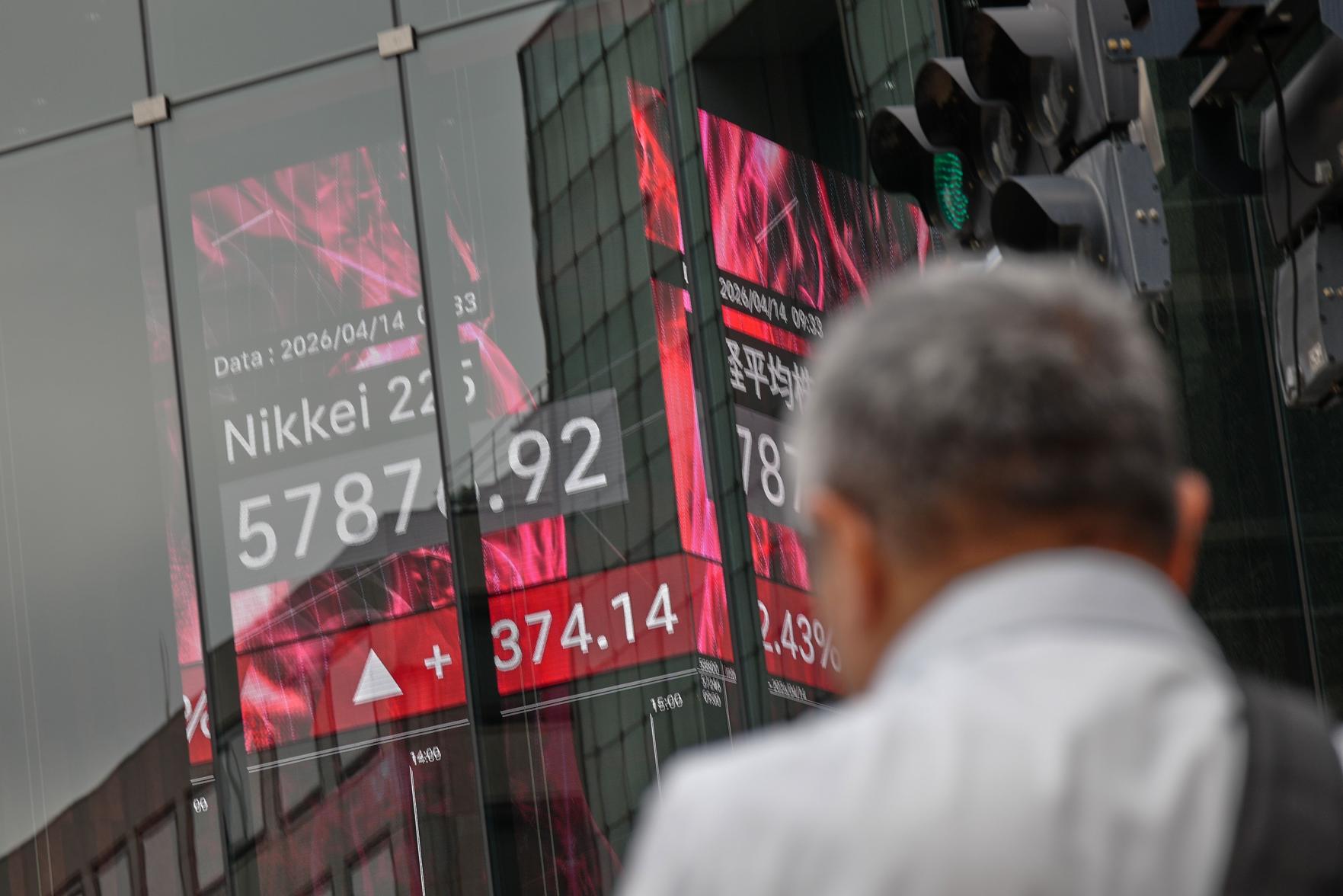
Risk appetite improves as war premium fades
Global markets moved higher on 15 April 2026. Investors reacted to fresh signs that U.S.-Iran talks could resume soon. That shift helped extend a broad rally in world stocks. It also pulled some of the war premium out of oil and the U.S. dollar.
Reuters reported that the MSCI All-Country World Index rose for a ninth straight day. In the U.S., the Nasdaq logged its tenth consecutive gain, while the S&P 500 moved close to a record finish. Asian markets also strengthened, helped by the same drop in geopolitical fear.
The market’s logic was simple. If diplomacy restarts, supply risks may ease. That matters because the Middle East conflict has driven the global macro story for weeks. It has shaped oil prices, inflation fears, and central bank expectations. On April 15, investors started to price a less extreme scenario.
Oil, dollar, and inflation stay at the center
Oil did not collapse, but it stayed below the panic highs. Reuters said Brent traded around $96.09 and WTI around $92.29 even as shipping through the Strait of Hormuz remained constrained. That mix kept traders cautious. Peace hopes improved sentiment, but supply risks did not disappear.
The U.S. dollar weakened to near six-week lows as safe-haven demand faded. At the same time, softer U.S. producer price data helped calm part of the inflation story. Even so, Reuters noted that the IMF still sees serious downside risk if the conflict worsens again. That is why this rally looked strong, but not fully risk-free.
For traders, 15 April was a clean example of how fast sentiment can shift. Markets moved away from pure war pricing and back toward growth, earnings, and risk assets. Still, the next move depends on whether diplomacy becomes real progress or just another short-lived headline.