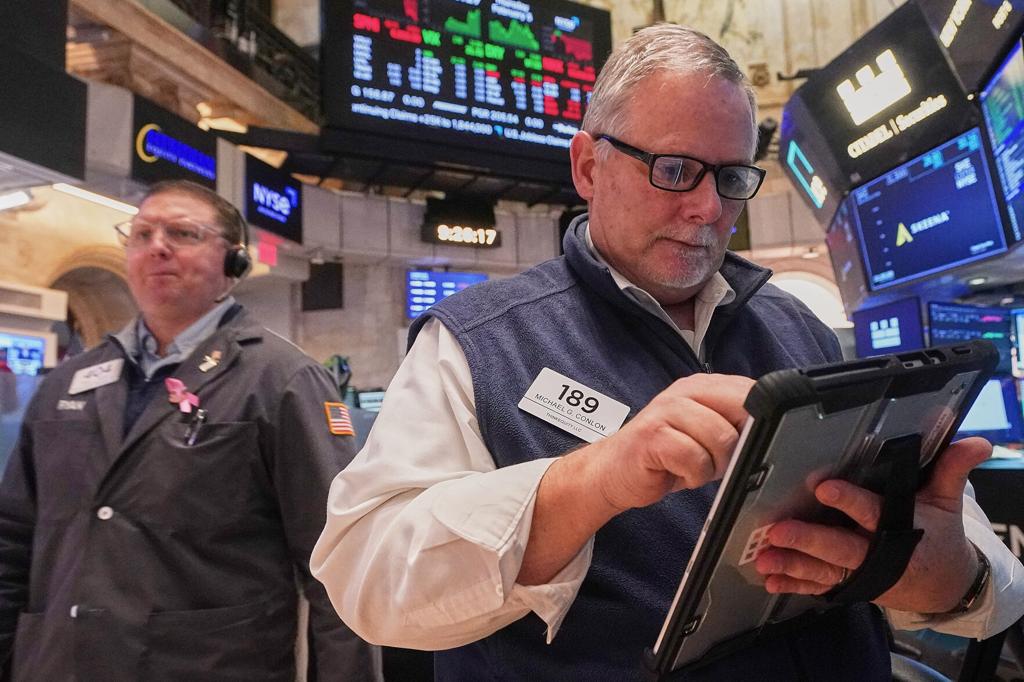
Global financial markets staged a strong rebound as investors returned to risk assets following several sessions of technology-driven losses. MSCI’s global equities index rose roughly 1.5%, marking its strongest advance in months and signaling renewed confidence after a turbulent start to February.
Wall Street led the recovery, with the Dow Jones Industrial Average closing above 50,000 for the first time, while the S&P 500 climbed nearly 2% and the Nasdaq advanced more than 2%. The rally was fueled in part by a rebound in semiconductor stocks, which attracted buyers after the recent AI-related selloff created perceived value opportunities.
Despite the rebound, investors remain divided on the long-term outlook for artificial intelligence. Analysts note that the once-unified AI trade is beginning to fragment as soaring capital expenditures, rising debt levels, and uncertainty over eventual winners prompt more selective positioning across the sector.
Macro signals added another layer of complexity. Rising layoffs in the United States and delays to key labor-market data due to a government shutdown increased speculation that the Federal Reserve could consider rate cuts sooner than expected. Market pricing for a March cut rose notably, highlighting how quickly policy expectations can shift.
In commodities, gold and silver rebounded alongside equities as bargain hunting followed earlier sharp declines. Oil prices edged higher amid ongoing U.S.–Iran nuclear discussions that raised concerns about potential supply disruptions.
Meanwhile, elevated trading activity boosted exchange operators, with Cboe Global Markets reporting stronger-than-expected quarterly profit driven by increased options trading volumes — a sign that investors are actively hedging amid heightened volatility.
For traders, the session underscored a developing theme: markets remain highly reactive to shifts in technology sentiment and monetary policy expectations. While the rebound suggests underlying resilience, persistent uncertainty around AI profitability, labor conditions, and central-bank strategy is likely to keep volatility elevated in the weeks ahead.