


U.S. Stocks Weaken As Unemployment Rate Rises To Four-Year High
16 diciembre 2025
161 views
U.S. equities delivered a mixed session on December 16 as fresh labor-market data revealed a rising unemployment rate, pressuring sentiment across the Dow and S&P 500 while the Nasdaq managed a modest rebound. The mixed pricing reflected lingering volatility in a market still adapting to slower economic momentum and uncertainty around the Federal Reserve’s policy trajectory.
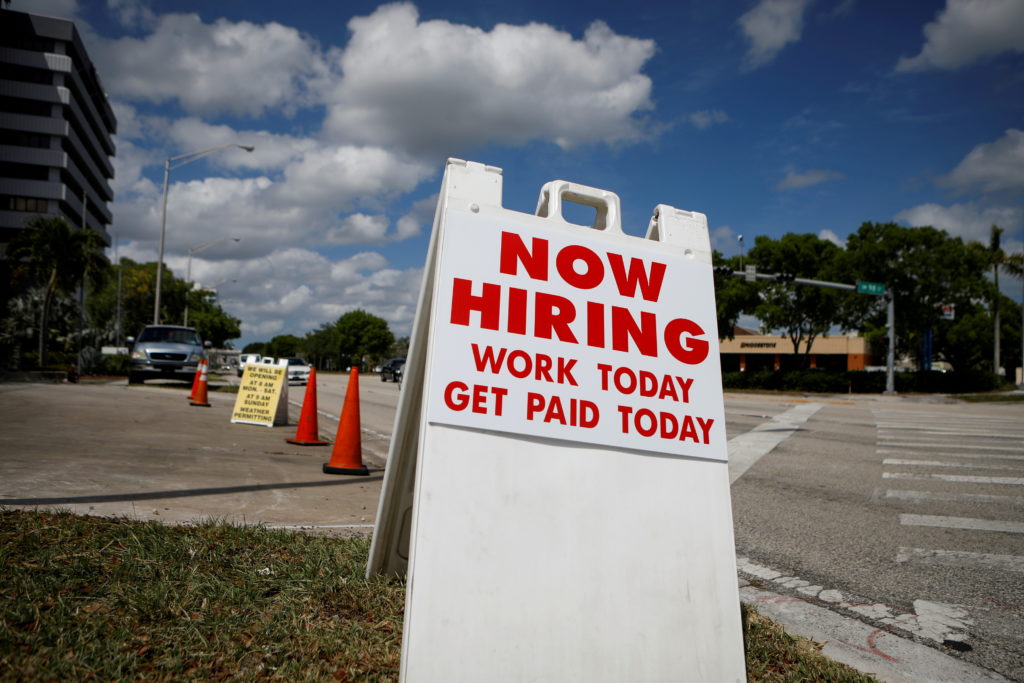
The latest jobs report showed a solid but uneven labor-market picture, with non-farm payrolls increasing by roughly 64,000 positions in November but the unemployment rate unexpectedly rising to 4.6%, its highest level in more than four years. The uptick in unemployment, alongside softer retail-sales data, reinforced concerns that the U.S. economy may be losing steam amid trade-policy uncertainty and the lingering effects of the extended government shutdown.
Markets reacted accordingly:
-
The Dow Jones Industrial Average fell about 0.6% and the S&P 500 slipped roughly 0.2%, both extending recent declines.
-
The Nasdaq gained slightly, snapping a losing streak as technology shares recovered from recent weakness tied to AI-valuation concerns.
Sector performance was uneven. Energy and healthcare stocks led the declines after weaker commodity pricing and disappointing corporate guidance, while select tech names and growth equities saw small inflows as investors positioned for a potential policy pivot if the economy softens further.
The rise in unemployment served as a critical macro signal. While the labor market is not yet deteriorating sharply, the higher jobless rate underscores a gradual cooling that could give the Federal Reserve additional justification to ease policy in 2026.
For traders, the session highlighted the delicate balance markets are navigating: slowing economic momentum, elevated unemployment readings, and continued uncertainty around fiscal and trade dynamics. The next labor-market and inflation data will be decisive in determining whether the Fed accelerates its easing cycle—or maintains a more cautious, data-dependent approach heading into the new year.

