
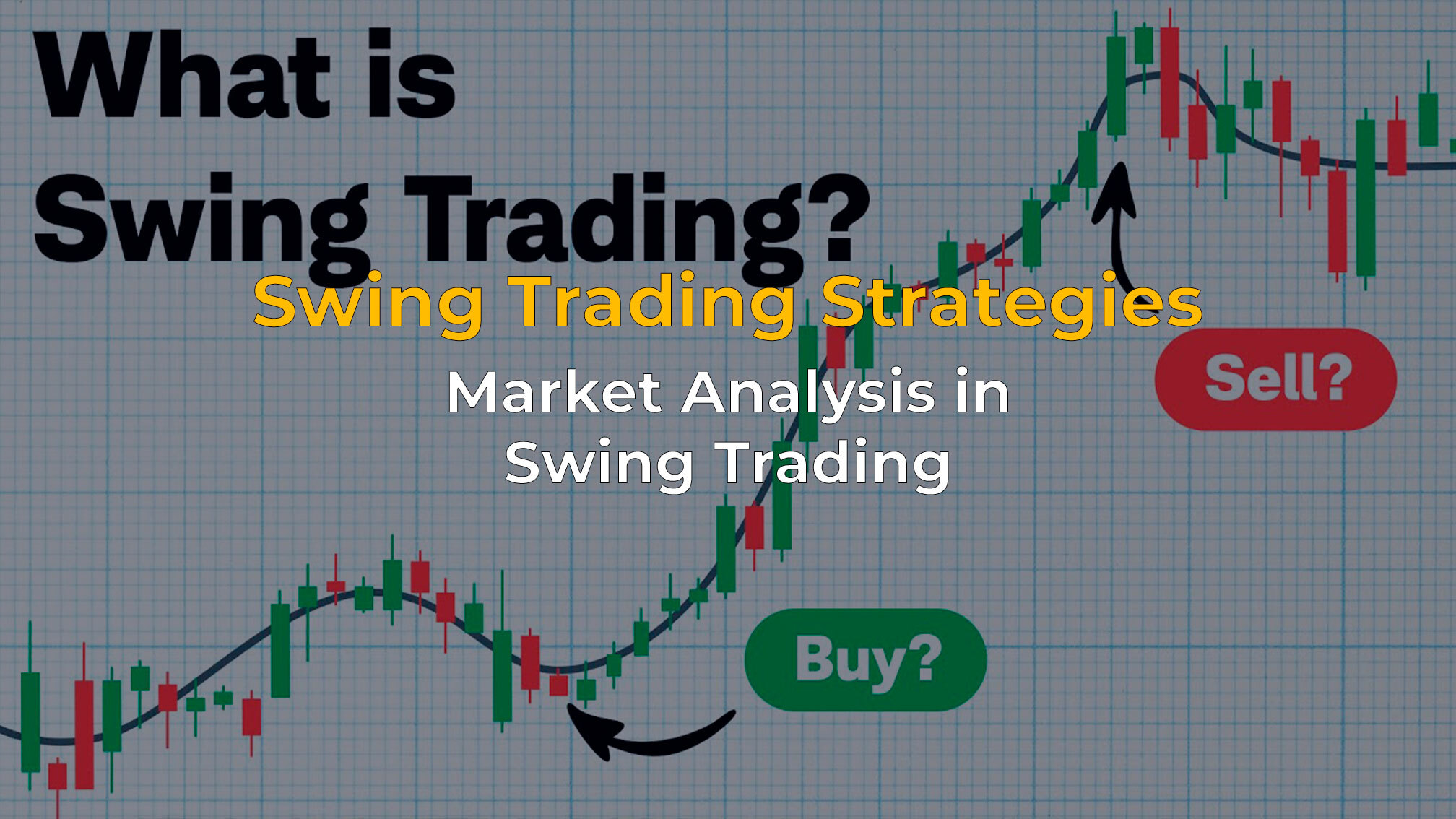


Swing Trading Strategies for Market Timing
19 diciembre 2025
180 views
Swing Trading Strategies for Market Timing
Swing trading is a widely used trading approach designed to capture short- to medium-term price movements across financial markets. Rather than focusing on rapid intraday fluctuations or long-term investment horizons, swing traders aim to profit from price swings that develop over several days or weeks. This strategy offers a balance between activity and flexibility, making it suitable for traders who want consistent market exposure without constant screen time.
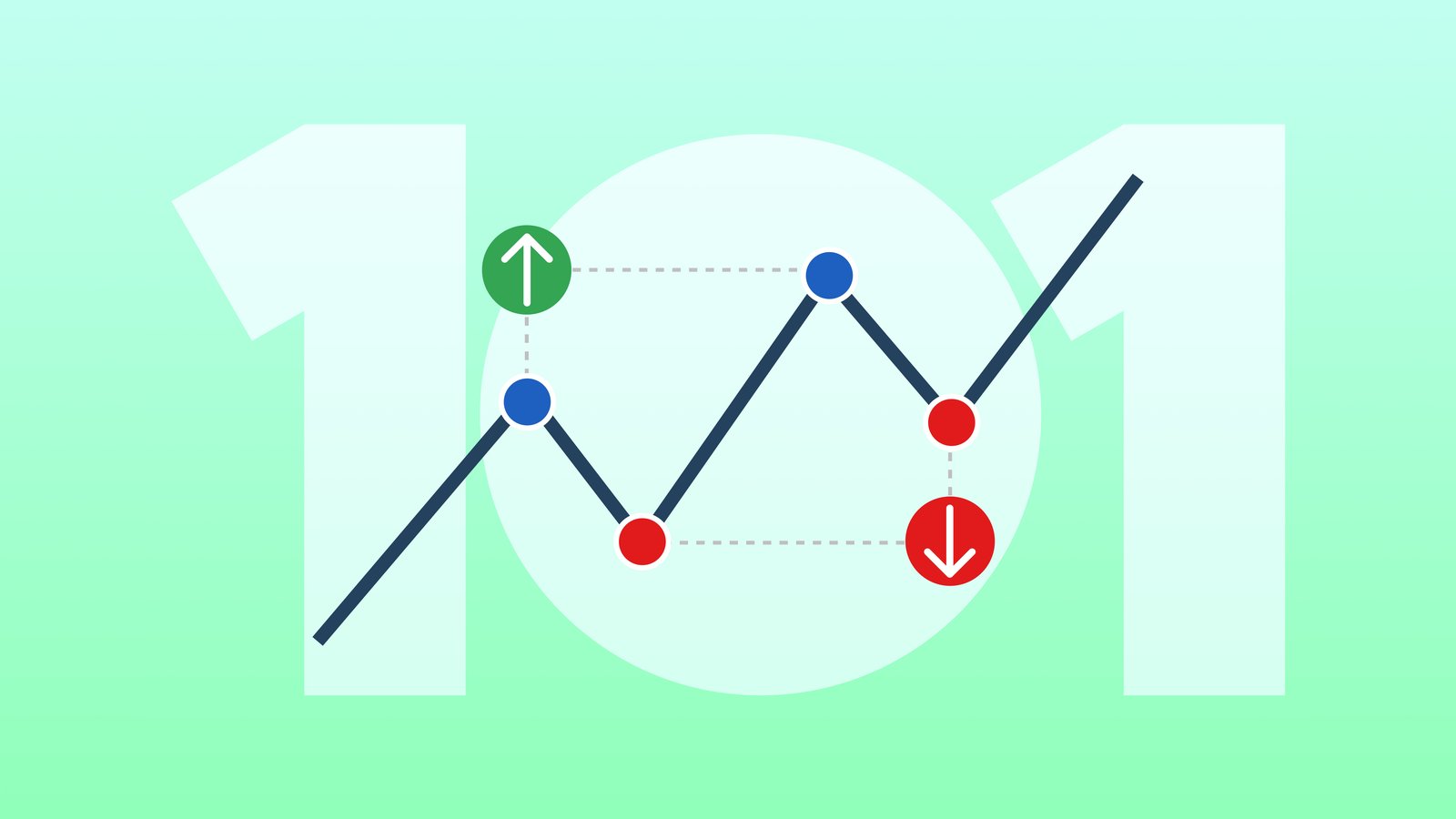
Swing traders seek to identify moments when price is likely to move from one level to another within a broader trend or range. These movements are often driven by shifts in market sentiment, technical breakouts, economic data releases, or company-specific events. By aligning entries and exits with these swings, traders attempt to capture meaningful portions of price movement while managing risk efficiently.
Understanding Swing Trading
Swing trading focuses on trading within existing market structures rather than reacting to every short-term fluctuation. Traders typically analyse trends, consolidation zones, and key price levels to determine when a new swing may begin. Positions can be held for several days or weeks, placing swing trading between day trading and longer-term position trading.
While many swing traders follow the prevailing trend, others apply counter-trend strategies that aim to profit from temporary reversals. Both approaches rely on disciplined analysis and clearly defined risk parameters. Swing trading is particularly popular in stock and forex markets due to their liquidity and regular price movement, but the strategy can also be applied to commodities, indices, and exchange-traded funds.
Market Analysis in Swing Trading
Technical analysis plays a central role in swing trading. Indicators such as Moving Averages, MACD, and the Relative Strength Index help traders assess trend direction, momentum, and potential reversal zones. Simple Moving Averages provide a smoothed view of price direction, while Exponential Moving Averages place greater emphasis on recent data, allowing traders to react more quickly to changes in momentum.
MACD is commonly used to identify trend strength and potential entry signals by analysing the relationship between different moving averages. RSI helps traders determine whether an asset is overbought or oversold, supporting decisions around timing entries or exits during potential pullbacks or reversals.
Although technical analysis forms the foundation of most swing trading strategies, combining it with fundamental factors can enhance decision-making. Earnings reports, macroeconomic data, central bank announcements, and geopolitical developments can influence price direction and volatility. Incorporating these elements provides a broader context and helps traders anticipate potential catalysts behind market movements.
Is Swing Trading the Right Strategy for You?
Swing trading suits traders who prefer a structured approach without the pressure of constant monitoring. Because positions remain open longer than intraday trades, swing traders must be comfortable holding through short-term fluctuations and temporary adverse movements. Patience and emotional discipline are essential, as price does not move in a straight line.
This strategy also offers flexibility across asset classes, allowing traders to diversify exposure. However, managing multiple positions requires careful planning to avoid overtrading and excessive transaction costs. For beginners, swing trading can be a practical entry point, as it is less time-intensive than day trading and allows more time for analysis and decision-making.
Risk Management in Swing Trading
Effective risk management is critical to long-term success in swing trading. Market volatility, unexpected news, and overnight price gaps pose inherent risks when holding positions beyond a single session. Stop-loss orders help protect capital by limiting downside exposure, while proper position sizing ensures that no single trade can significantly impact overall account performance.
Because swing trades often remain open overnight or over weekends, traders must account for potential price gaps when markets reopen. Diversification across assets and strategies can help reduce overall portfolio risk, while maintaining a disciplined trading plan reduces the influence of emotion during periods of uncertainty.
How to Start Swing Trading
Getting started with swing trading begins with selecting liquid and volatile markets that offer clear price movement. Traders then analyse these markets using technical and, where appropriate, fundamental tools to define entry and exit levels. Before entering a trade, risk management parameters should be set, including stop-loss and take-profit levels.
Once a position is open, regular monitoring is necessary to ensure that market conditions remain aligned with the original trading thesis. Trades can be adjusted or closed manually if conditions change, or automatically managed through predefined orders. For those new to the strategy, practising in a demo environment provides valuable experience before transitioning to live trading.
Swing trading rewards preparation, patience, and consistency. When applied with discipline and supported by sound analysis, it can serve as a versatile and sustainable trading approach across a wide range of market conditions.

