
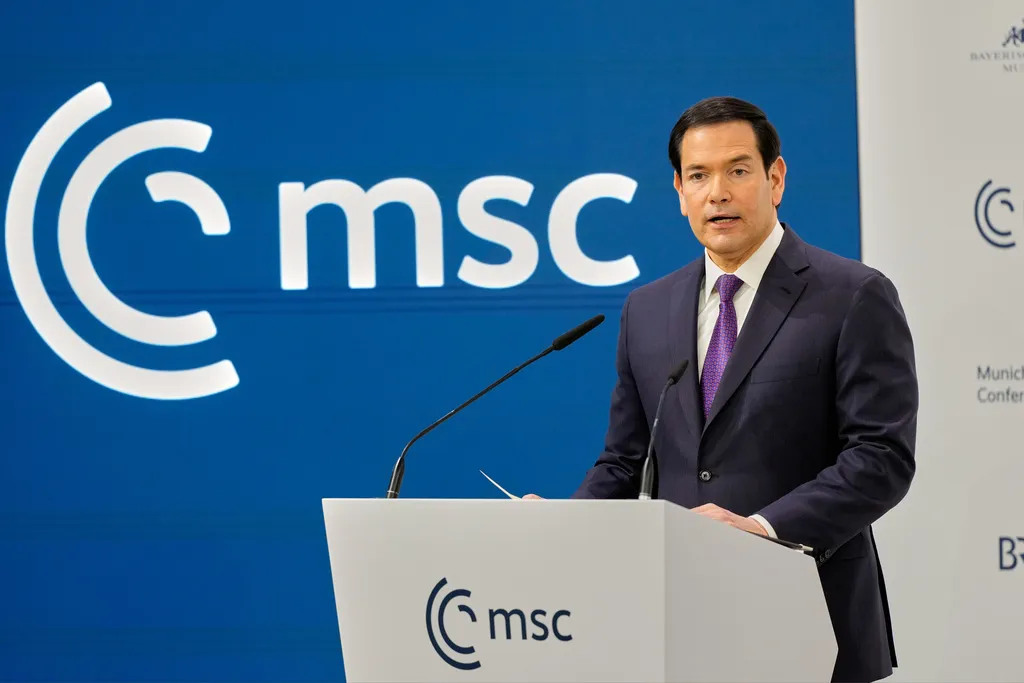


Global Leaders Focus on Security and Alliances at Munich Conference Amid Rising Geopolitical Risks
15 февраля 2026
90 views
Global security and geopolitical stability dominated discussions as world leaders gathered at the Munich Security Conference, underscoring growing concerns about international conflicts, defense cooperation, and the evolving global order. The annual forum brought together heads of state, defense officials, and policymakers to address mounting geopolitical tensions and long-term security challenges.
A central theme of this year’s conference was the need for stronger coordination among Western allies amid ongoing conflicts and shifting power dynamics. European leaders emphasized the importance of enhancing defense capabilities and deepening cooperation within NATO, while also discussing strategies to ensure long-term regional stability.
Ukrainian President Volodymyr Zelenskyy called for sustained security guarantees and continued international support before any future peace negotiations with Russia, warning that premature concessions could destabilize the region further. His remarks highlighted the ongoing importance of military and economic backing for Ukraine as the conflict continues to influence global political and economic dynamics.
Meanwhile, U.S. and European officials discussed broader security challenges, including cyber threats, energy security, and supply chain resilience. Policymakers stressed that strengthening strategic partnerships will be essential to managing geopolitical risks and ensuring economic stability in an increasingly fragmented world.
The conference also revealed differences in priorities among major economies, particularly regarding defense spending and long-term strategic autonomy. Some European leaders reiterated calls for greater defense investment, while others stressed the need for diplomatic solutions to reduce tensions and avoid escalation.
Financial markets monitored the discussions closely, as geopolitical developments remain a key driver of investor sentiment. Heightened uncertainty tends to support safe-haven assets such as gold and government bonds, while risk assets often experience increased volatility during periods of geopolitical stress.
For market participants, the Munich Security Conference reinforced a key theme of 2026: geopolitical risks continue to play a significant role in shaping economic expectations and capital flows. As global alliances evolve and security concerns remain elevated, investors are likely to stay attentive to political developments that could influence trade, energy markets, and overall risk sentiment in the months ahead.

