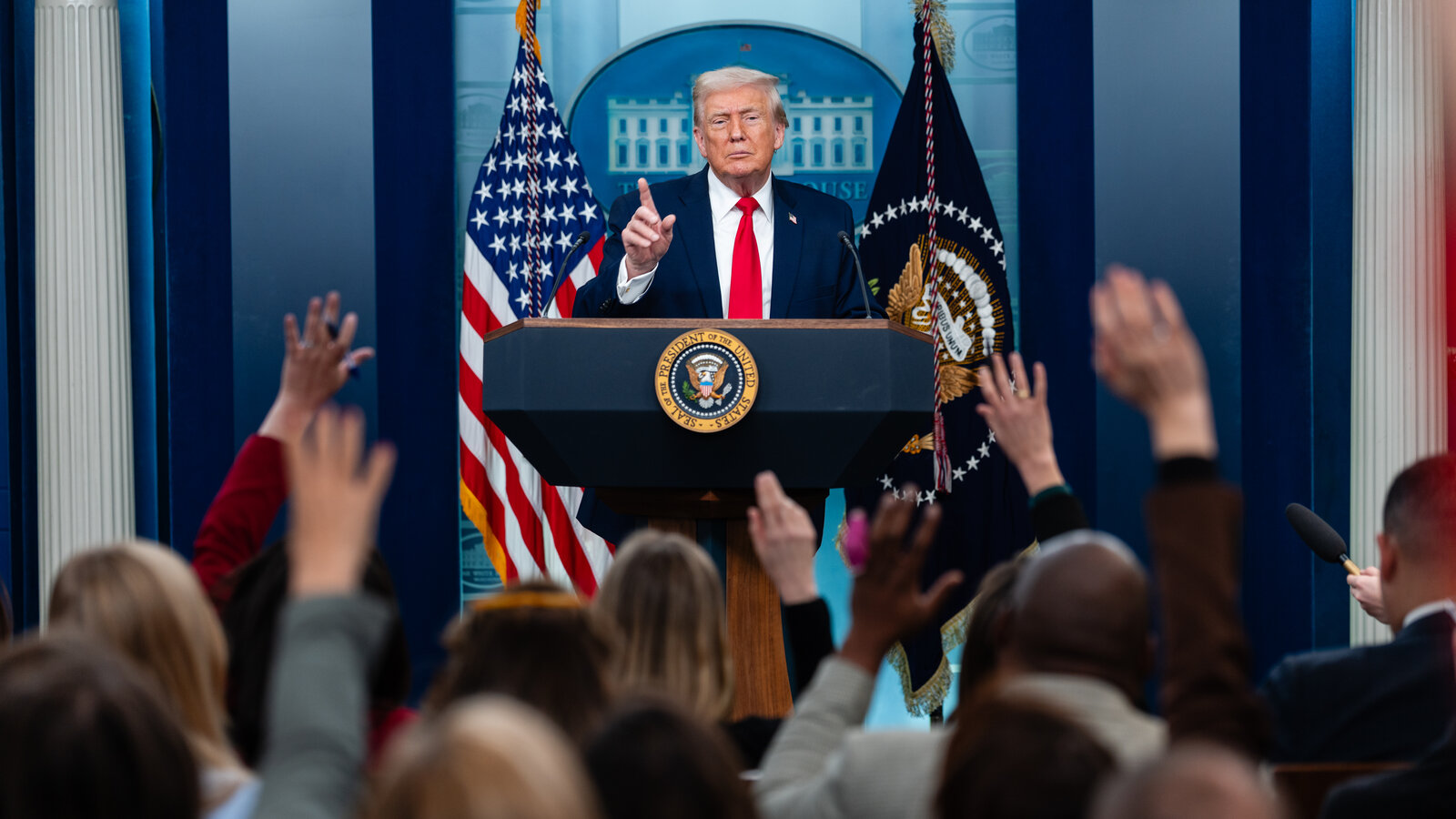
Global financial markets rebounded on 21 January as investors welcomed a de‑escalation in recent trade tensions that had pressured risk assets earlier in the week. The turning point came when U.S. President Donald Trump publicly withdrew his threat to impose punitive tariffs on several European countries over the Greenland dispute, saying a framework for cooperation had been reached during talks at the World Economic Forum in Davos. This shift helped calm a major source of market uncertainty and supported renewed interest in equities.
Major U.S. stock indexes posted strong gains, with the S&P 500, Dow Jones Industrial Average and Nasdaq Composite all rising significantly on relief that tariffs scheduled for early February would not be implemented. Broad strength was evident across sectors, as investor confidence improved following the policy pivot and upbeat earnings from select regional banks further underpinned sentiment.
European equities also lifted, benefitting from reduced risk of an abrupt trade escalation. The pan‑European STOXX 600 index, which had dipped earlier in the week amid tariff fears, stabilized as investors priced in a more constructive backdrop for cross‑Atlantic trade relations.
In fixed‑income markets, government bond yields retraced recent losses as risk appetite returned and traders reduced safe‑haven positioning. The U.S. dollar exhibited relative strength against some major peers, reflecting improved confidence in U.S. assets on the back of a clearer policy outlook.
Commodities showed mixed responses. Oil prices edged higher as risk sentiment recovered, while precious metals such as gold cooled slightly after earlier safe‑haven inflows. The shift illustrated a broader rotation out of defensive assets and back into cyclical and risk‑sensitive markets.
For traders, the session highlighted how quickly market dynamics can pivot on policy clarity and geopolitical headlines. While uncertainty has not disappeared entirely, the partial resolution of trade‑related risks allowed markets to stabilize and focus on fundamentals, including corporate earnings and growth prospects. Continued attention will likely center on further developments from Davos and upcoming economic data that could shape the next phase of market direction.