Global financial markets remained under pressure on 27 March as continued instability in the Middle East kept oil prices elevated and reinforced concerns about inflation, growth, and central bank policy. The session extended the volatility seen earlier in the week, with investors reacting to ongoing uncertainty rather than clear directional signals.
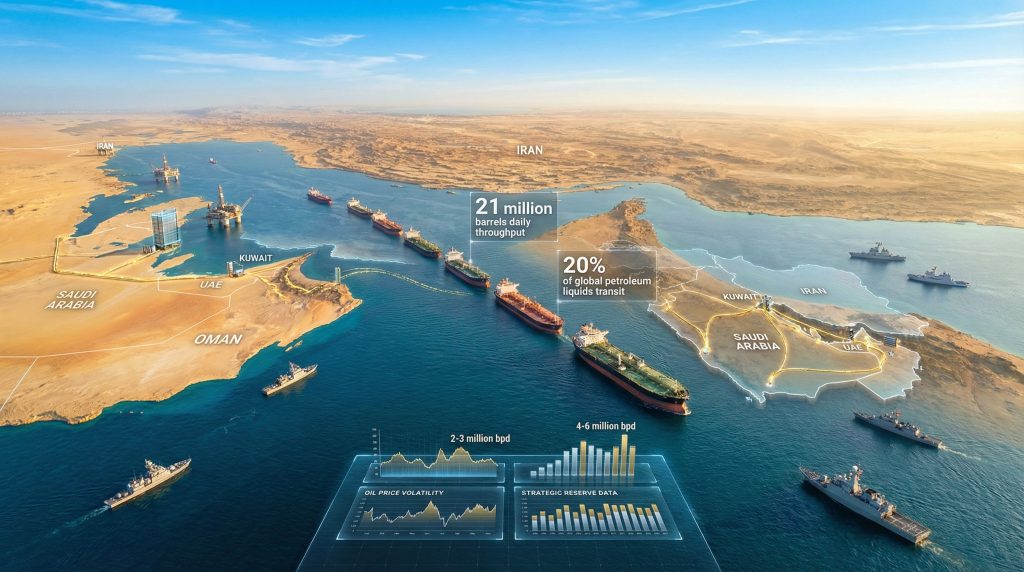
Energy markets remained the central driver. Brent crude held near multi-month highs above $100 per barrel, supported by fears of prolonged disruption to supply routes in the Gulf region. Market participants continued to monitor developments around the Strait of Hormuz, a critical chokepoint for global oil flows, where any escalation could have immediate implications for energy pricing and global trade.
Equity markets struggled to gain traction. European stocks declined modestly, while U.S. futures pointed to a weaker open, as higher energy costs weighed on corporate outlooks and investor sentiment. Sectors sensitive to input costs, including manufacturing and transportation, underperformed, while energy stocks remained relatively supported by elevated crude prices.
In fixed-income markets, Treasury yields stayed elevated, reflecting persistent inflation concerns. The energy-driven price pressure has complicated expectations for monetary policy, with traders increasingly questioning whether central banks will be able to move toward rate cuts in the near term. The risk of “higher for longer” interest rates continues to act as a constraint on equity valuations.
Currency markets reflected a defensive positioning. The U.S. dollar remained firm, benefiting from safe-haven demand and relative yield advantages. Commodity-linked currencies showed mixed performance, supported by higher raw material prices but limited by broader risk aversion.
Commodities outside of oil also reacted to the macro backdrop. Gold held near recent highs, supported by geopolitical uncertainty and inflation hedging demand, although gains were capped by elevated yields. The divergence between rising yields and strong safe-haven demand highlights the complexity of the current macro environment.
From a broader perspective, the session reinforced a key late-March theme: energy markets are now a primary driver of global financial conditions. Elevated oil prices are feeding directly into inflation expectations, influencing central bank policy outlooks, and shaping investor behavior across asset classes.
For traders, the environment remains highly reactive to geopolitical headlines. Until there is meaningful de-escalation or clarity on supply risks, markets are likely to remain volatile, with oil prices, inflation expectations, and interest rate forecasts acting as the core drivers of price action.