Global financial markets continued their rebound on 22 January, building on the relief seen after major trade tensions earlier in the week eased significantly. Investors responded positively to developments indicating a rollback of tariff threats previously issued by the U.S. administration, which had sparked volatility across risk assets.
Major equity indexes in the United States climbed further, with the S&P 500, Dow Jones Industrial Average, and Nasdaq Composite all posting gains, reflecting a broad return of risk appetite. The rally was supported by the retreat in geopolitical concerns over U.S. threats to impose tariffs on several European countries, a shift that helped stabilize sentiment across global markets.
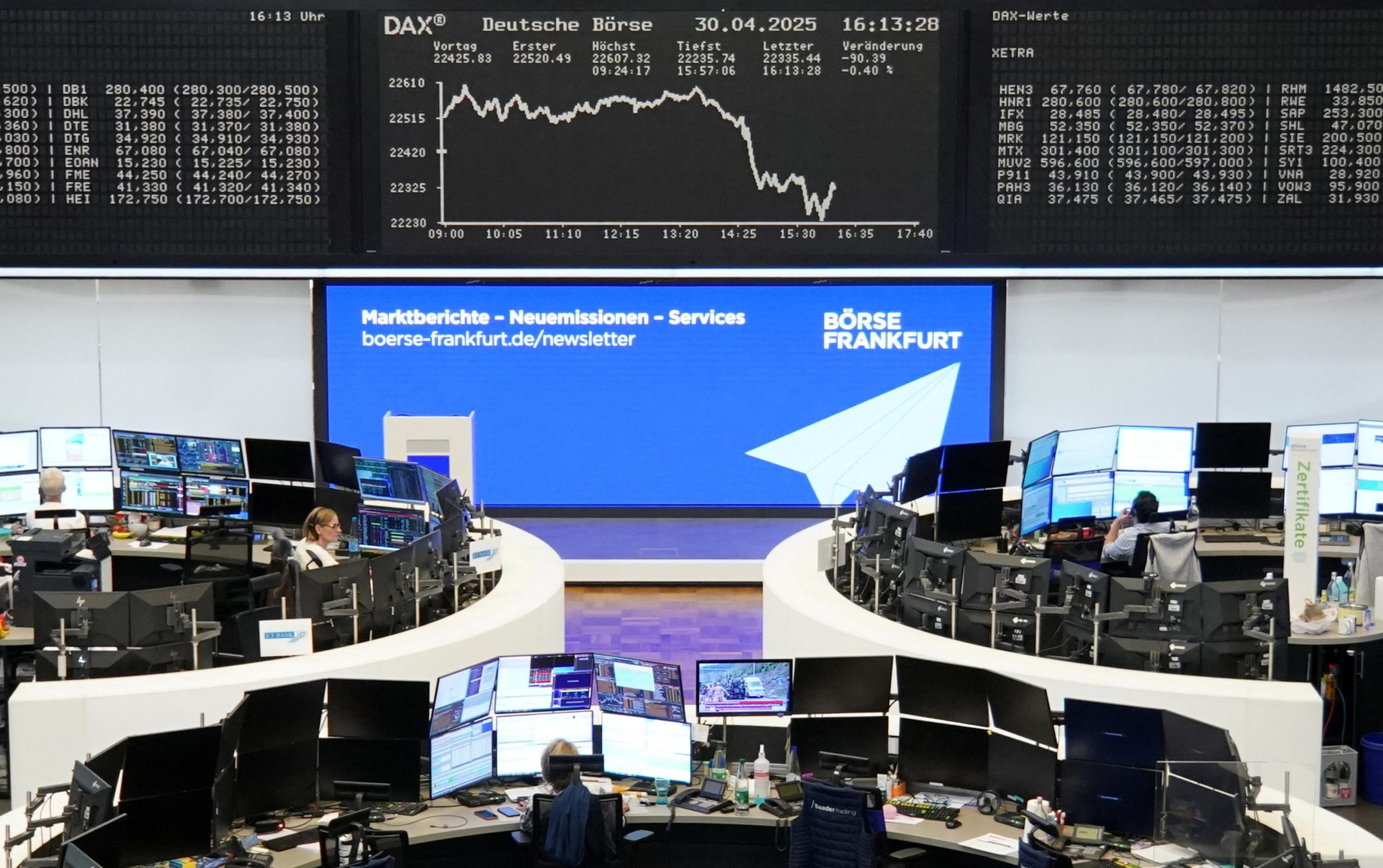
European share prices also rebounded, with key benchmarks such as the STOXX 600 rising as investors digested the news that tariff actions tied to disputes over Greenland would not proceed. Strength was particularly notable in sectors sensitive to trade exposure after earlier sell‑offs.
Emerging markets followed the global trend, with major Gulf region indices tracking higher alongside Asian equities amid the improved risk backdrop. Gains in these regions reflected a broader lift in sentiment, even as traders remain alert to upcoming macroeconomic data.
Currency markets saw some rotation out of defensive positioning, with the U.S. dollar easing modestly against a number of major peers as confidence returned to global risk assets. At the same time, precious metals like gold—which had rallied amid earlier uncertainty—held elevated levels as markets balanced optimism with still latent risk.
For traders, the session underscored the importance of geopolitical risk resolution as a driver of market performance. With reduced trade conflict fears and a broad rebound in stock markets, positioning has shifted back toward risk assets, though volatility may remain sensitive to any new developments on the policy front.