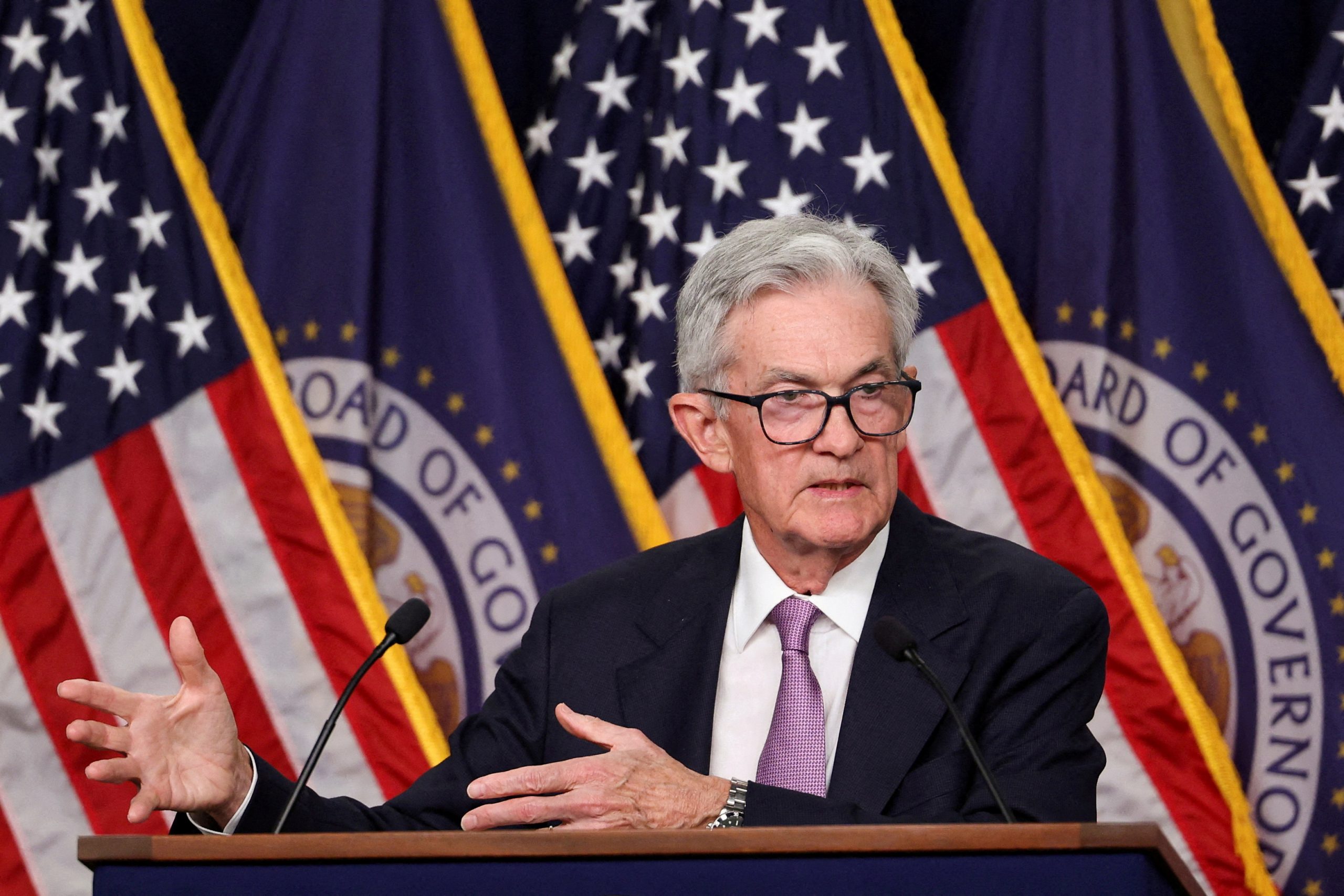
The Federal Reserve delivered a widely expected 25-basis-point rate cut on Wednesday, lowering the federal funds rate as policymakers acknowledged softer economic momentum—but stopped short of signaling a rapid easing cycle. The decision came amid an unprecedented stretch without key U.S. data due to the ongoing government shutdown, forcing the Fed to rely heavily on partial indicators and qualitative assessments.
In its statement, the Fed highlighted:
-
moderating labor-market conditions,
-
inflation trending closer to target,
-
and rising uncertainty due to delayed government statistics.
Chair Jerome Powell emphasized that future policy moves will remain strictly data-dependent, noting that the absence of official releases complicates the Committee’s assessment of real-time conditions. Powell also declined to pre-commit to additional cuts, pushing back against market expectations for an aggressive early-2026 easing cycle.
Markets reacted with volatility.
Treasury yields initially dropped, then retraced as Powell resisted dovish interpretation. Equity indices swung sharply before stabilizing, with tech stocks showing the strongest recovery. Rate-sensitive sectors—real estate, utilities, consumer discretionary—saw renewed flows but ended the session mixed.
In FX, the dollar briefly slipped against the euro and yen but regained ground as Powell’s comments were interpreted as more cautious than markets anticipated. Commodity currencies traded choppily, reflecting uncertainty around global risk appetite.
Gold spiked on the announcement, touching intraday highs, but later pulled back as the dollar strengthened. The metal continues to hold within a bullish longer-term structure, supported by falling yields and persistent macro uncertainty.
For traders, the message is clear: the Fed is easing—slowly, cautiously, and with limited visibility. The path forward now hinges entirely on when the government reopens and allows the release of critical economic data that will shape early-2026 policy expectations.