



Global Liquidity and Market Microstructure: How Modern Markets Really Work
15 agosto 2025
234 views
Global Liquidity and Market Microstructure: How Modern Markets Really Work
Level: Advanced / Pro
Core Idea: The price you see on the chart is just the final result of a deep, high-speed battle for buyers and sellers. This article reveals the «inner game» of modern markets: how liquidity flows, how orders meet, and how big players (like fast algorithms and banks) actually move the price. This knowledge gives advanced traders a critical edge in timing and strategy.
Liquidity: The Engine That Drives Price
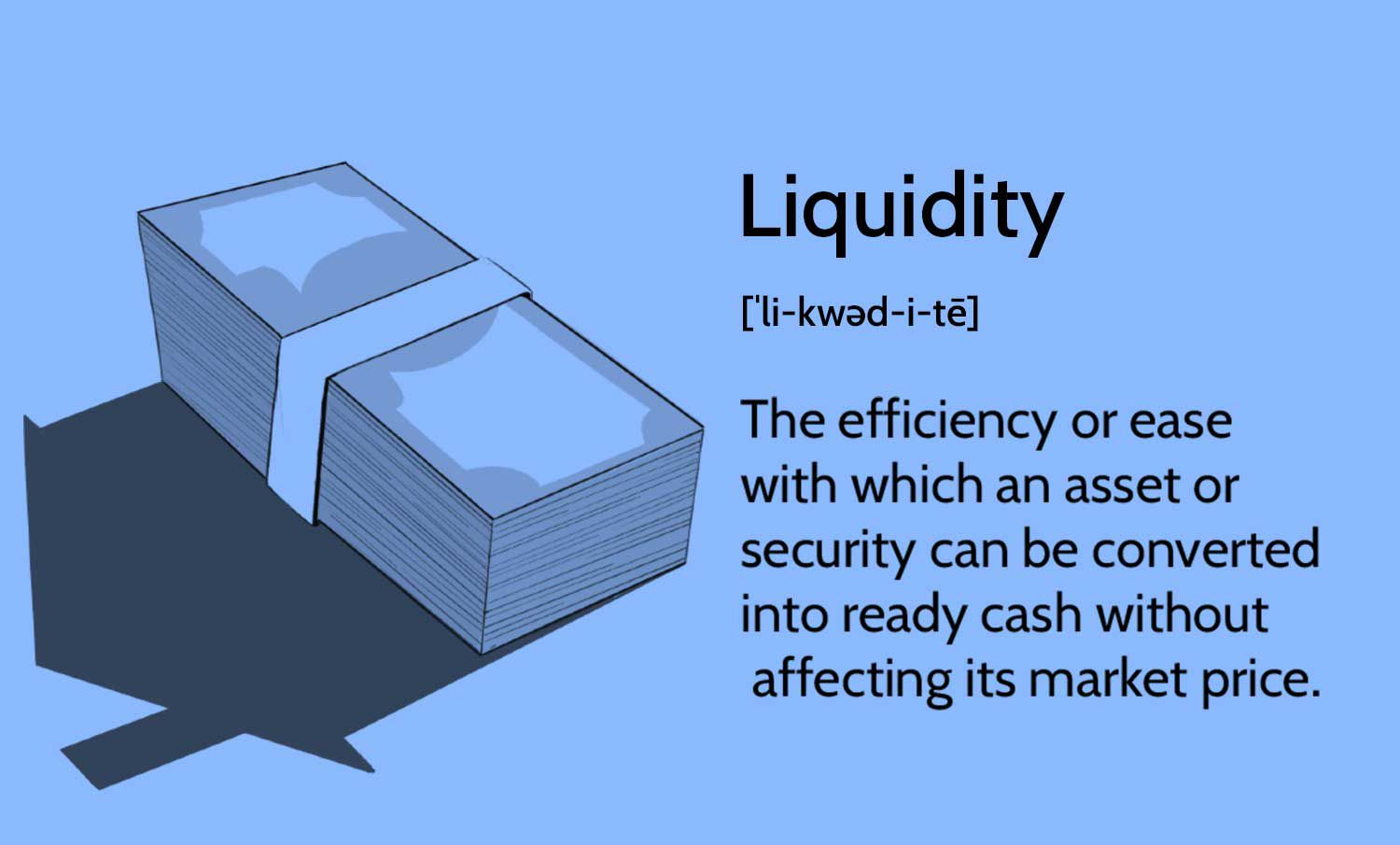
Liquidity is simply how easy it is to buy or sell something quickly without changing its market price much. It is the fuel of the market.
Where Liquidity Lives (Timeframes and Tiers)
Liquidity isn’t everywhere at once; it’s layered:
- Big Picture Liquidity: On weekly or monthly charts, huge pools of institutional money (banks, funds) create major support and resistance zones. Price often moves towards these known large pools, like a magnet.
- Moment-to-Moment Liquidity: On 1-minute or 5-minute charts, liquidity is constantly being gobbled up and replaced by fast algorithms. This creates the rapid, choppy moves (whipsaws) you see intraday.
- The Best Markets: Major pairs (EUR/USD) and big indices (S&P 500) have the tightest liquidity. Trading smaller, less popular assets means facing higher costs (wider spreads) and more risk of slippage.
Key Takeaway: Price movements are often best understood as the market constantly seeking the next large pool of resting orders.
The Order Book and Spreads
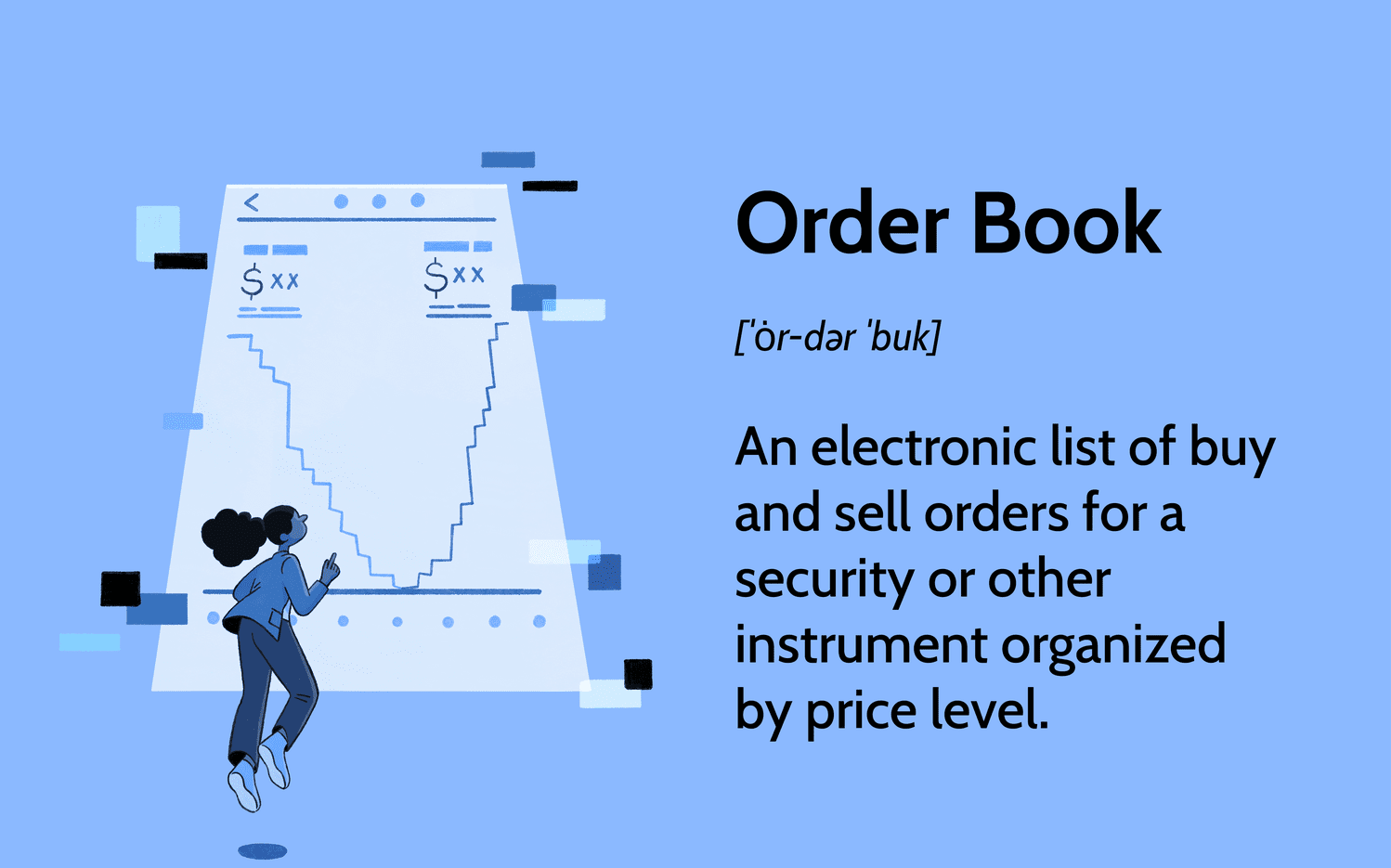
To see how price is truly formed, we must look beyond the line chart at the Order Book (sometimes called Depth of Market or DOM). This is the market’s instruction manual.
The Book of Buyers and Sellers
The Order Book is a live list of all standing, unfilled orders:
- Bids (Buyers): Orders to buy at specific prices. This is the demand side.
- Asks (Sellers/Offers): Orders to sell at specific prices. This is the supply side.
How Price Changes: Price only moves when a Market Order (an order to execute right now) hits and fills a Limit Order (a resting order). If a huge wave of market sell orders hits the book, they eat through all the resting «Buy» Bids, forcing the price lower.
What the Spread Means
The Bid-Ask Spread is the gap between the highest price a buyer is willing to pay (Bid) and the lowest price a seller will accept (Ask).
- Small Spread: Means high liquidity and low cost for you.
- Wide Spread: Means low liquidity, higher risk, and higher cost (slippage).
Simple Fact: The spread is essentially the fee that liquidity providers (Market Makers) collect for being there when you need to trade.
The Power Players: Algos and Banks
Modern markets are dominated by institutional players who move faster than any human.
Market Makers (MMs)
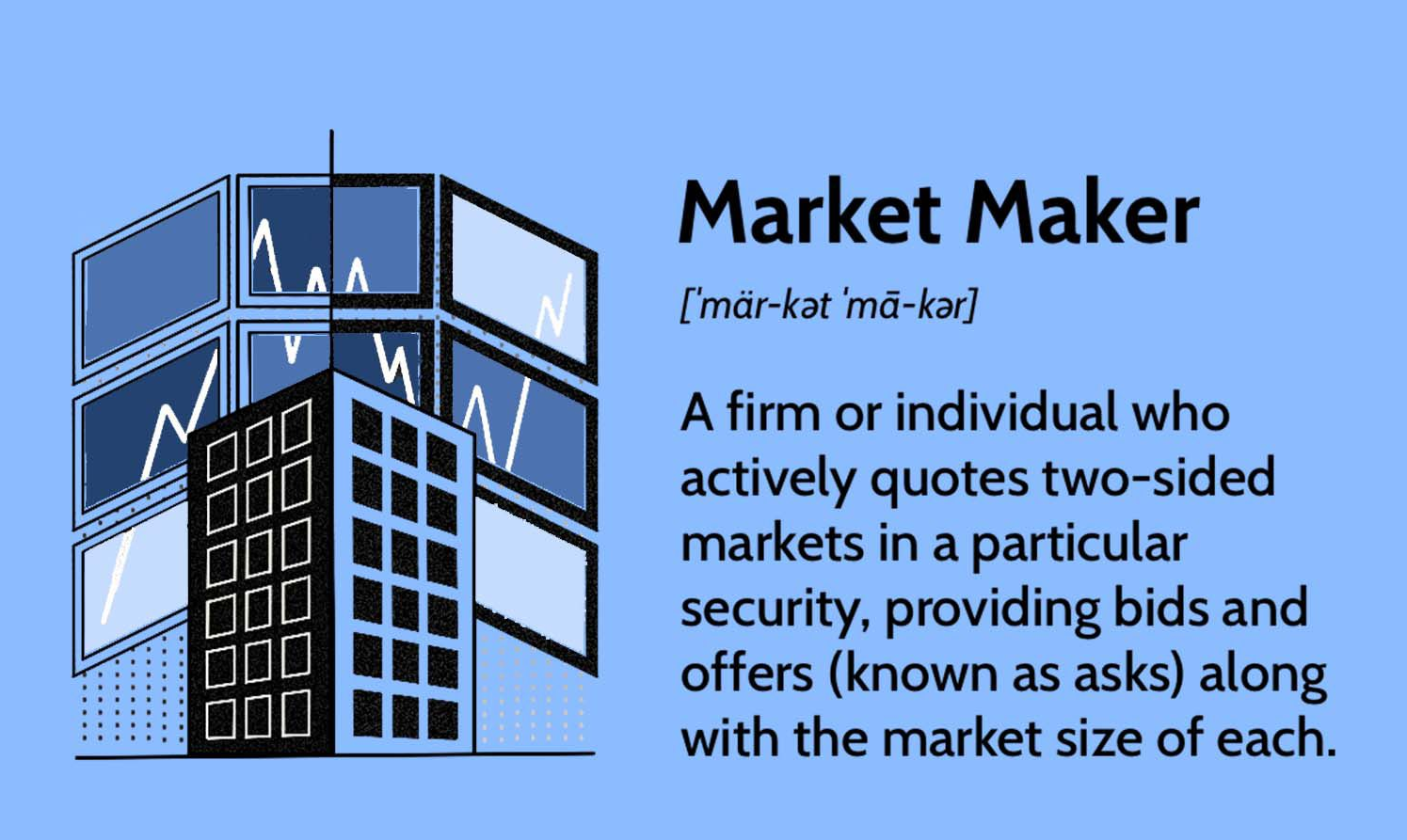
MMs are large firms or banks whose job is to always offer a price to both buy and sell.
- Their Job: They ensure the market always has liquidity. They make their profit by collecting the spread repeatedly.
- The Risk: If volatility explodes, MMs will immediately pull their orders to protect themselves. This causes the market to suddenly become thin and spreads to widen, leading to sharp, sudden price moves.
High-Frequency Trading (HFT) Algos
HFTs use blindingly fast technology to trade thousands of times per second, looking for tiny, quick profits (arbitrage).
- Their Speed: They react to news and order flow in milliseconds, providing and consuming liquidity instantly.
- Hiding Orders: HFTs often use smart tactics like Iceberg Orders — breaking up one huge institutional order into many tiny pieces that show up one by one. This hides the order’s true size until the trader commits.
Using the Inside View: Better Trades
An advanced trader uses this knowledge of market internals to place smarter trades.
Spotting the Stop Hunt
Knowing that big players are always looking for pools of easy liquidity, you can anticipate the Stop Hunt — a quick spike intended to trigger a large pile of retail stop-loss orders (which gives the big players the liquidity they need).
Smart Trading: If price briefly spikes just past a known support or resistance level and then snaps back quickly, it’s often a stop hunt. Don’t chase the breakout; wait for the fake-out and look for the reversal.
Choosing the Right Order
Don’t use a Market Order for every trade. Match your order type to the current liquidity context:
- Use a Market Order only when you need immediate execution in a highly liquid market.
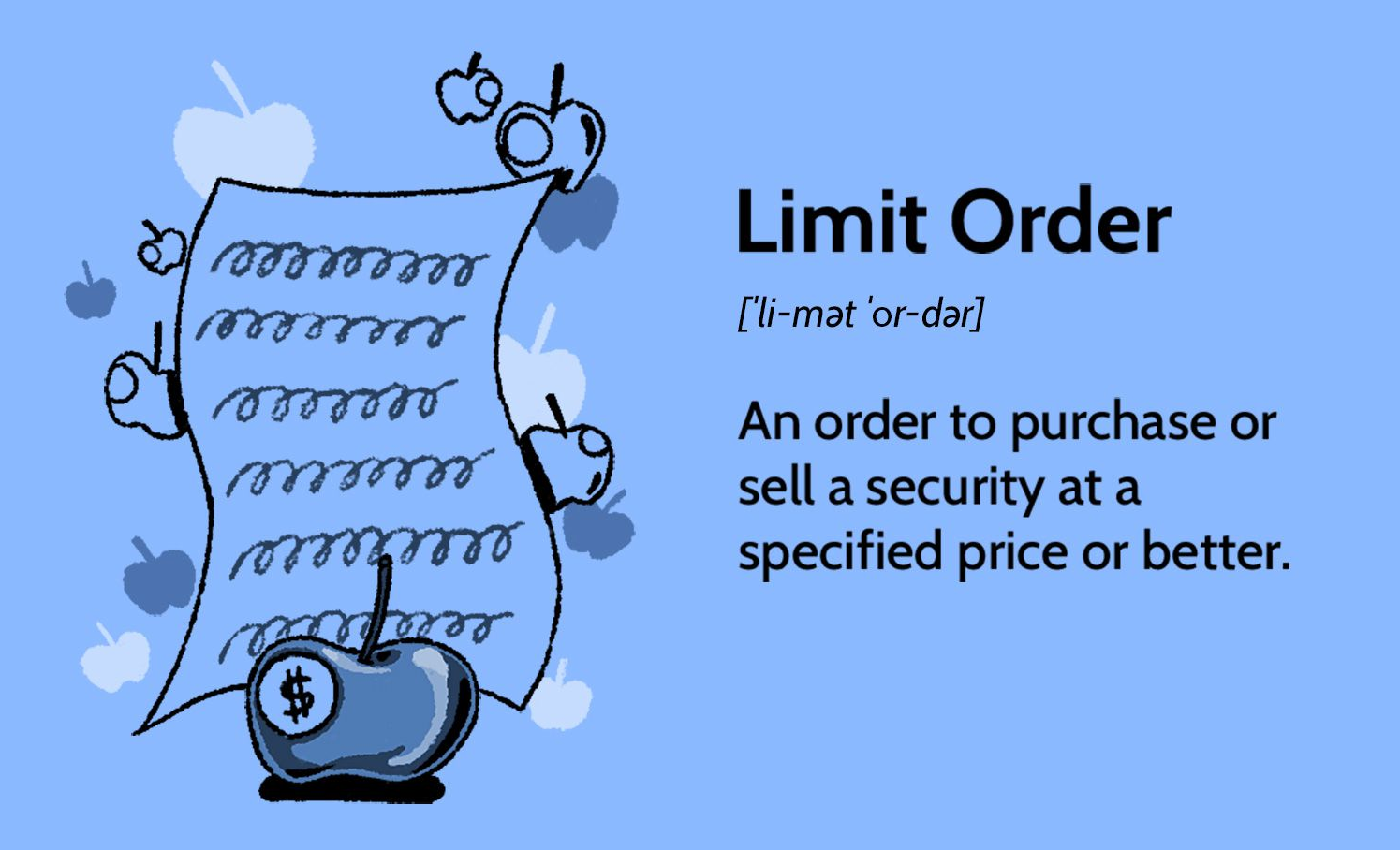
- Use a Limit Order when you prioritize the exact price over execution speed, especially near key levels.
- Use a Stop Order only to confirm strong momentum, for example, waiting for a key breakout to occur before entering.
Timing Around Big News
Before major economic news, institutional liquidity often vanishes as MMs step back. Then, the news hits, causing extreme volatility as massive new orders flood the system. The advanced approach is to wait out the initial shock and trade the more predictable move that follows — either the post-news consolidation or the immediate failure of a false initial direction.
Conclusion
The market is not random; it’s a dynamic, liquid auction. By understanding the Order Book, the hidden roles of Market Makers and HFTs, and how liquidity is hunted, you gain a competitive edge. This deeper insight into market microstructure helps you stop reacting to the price line and start seeing the powerful forces driving it, leading to much more precise and profitable trading decisions.

