
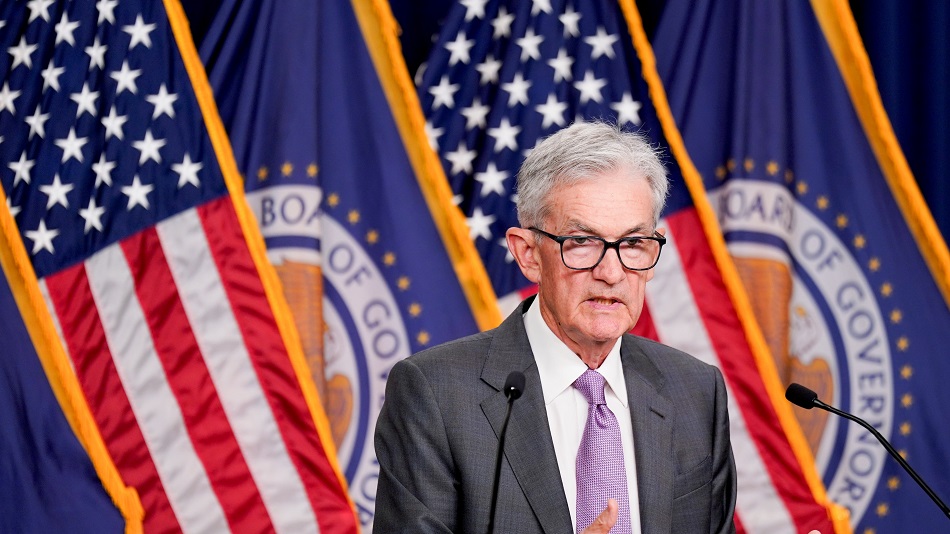


Dollar Holds Firm as Fed Officials Signal Patience on Rate Cuts
17 February 2026
109 views
Global financial markets traded cautiously as investors focused on signals from Federal Reserve officials indicating there is no urgency to begin cutting interest rates. The cautious tone reinforced expectations that monetary policy will remain restrictive for longer, supporting the U.S. dollar and keeping risk appetite contained.
Currency markets were at the center of attention, with the dollar holding firm against major peers as traders adjusted expectations for the timing of policy easing. Fed policymakers emphasized the need for additional evidence that inflation is sustainably moving toward target before considering rate cuts, highlighting a data-dependent approach to future decisions.
Equity markets showed mixed performance as investors balanced stable economic data against tighter financial conditions. U.S. stock futures traded in a narrow range, while European equities edged lower amid caution around global growth prospects. Investors remained selective, favoring defensive sectors and companies with strong balance sheets.
In fixed-income markets, Treasury yields remained elevated, reflecting reduced expectations for near-term easing. The higher yield environment continued to pressure rate-sensitive sectors, particularly growth stocks, while supporting financials and other cyclical segments.
Commodity markets showed modest movement. Gold prices held steady as investors balanced higher yields with ongoing geopolitical uncertainty, while oil prices traded slightly higher on supply concerns and expectations of stable demand.
From a broader perspective, the session underscored how sensitive markets remain to central-bank communication. With policymakers signaling patience and inflation still a key focus, investors are recalibrating expectations for the policy path in 2026.
For traders, the key takeaway is that monetary policy remains the dominant driver of market direction. Until clearer signals emerge from economic data, markets are likely to remain range-bound, with volatility driven by shifts in rate expectations and global macro headlines.

