
HomeBlogHot newsU.S. Financial Markets End Week on Cautious Note as Fed Signals Put-Off Rate Cuts
Share the article
U.S. Financial Markets End Week on Cautious Note as Fed Signals Put-Off Rate Cuts
01 November 2025
74 views
U.S. financial markets closed the week on a tempered tone as investors digested signals from the Federal Reserve that future rate cuts may not come as soon as expected. This shift in messaging weighed on risk sentiment, prompting bargains in equities to stall and safe-haven demand to creep back into focus.
What’s Driving the Mood
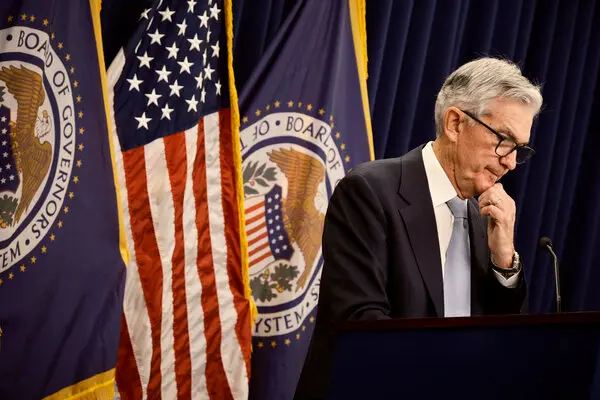
While the Fed delivered a modest 25-basis-point rate cut at its recent meeting, Chair Jerome Powell emphasized that a cut is “not a foregone conclusion” in December, signaling a more cautious approach than markets had assumed.
Major U.S. economic releases remain suspended due to the ongoing federal government shutdown, creating a data-gap that has forced policymakers and markets to rely on alternative indicators and heightens uncertainty.
Despite strong earnings in parts of the tech sector, weaker breadth, elevated valuations and a firming dollar kept equity indices from making significant advances.
Market Implications
Equity markets may face increased volatility if rate-cut certainty fades; sectors sensitive to rates (technology, growth) could become more vulnerable.
The U.S. dollar may benefit from a slower-than-expected easing cycle, putting pressure on global commodity and emerging-market currency flows.
With fewer drivers pulling equities higher, broader market leadership may need earnings or macro surprises to sustain momentum.
What to Watch
Any clarity from the Fed’s December meeting on timing and pace of future cuts.
Return of official U.S. macro-data (jobs, inflation) once the shutdown resolves—and how the content compares with private proxies.
Sector rotation dynamics: whether capital shifts toward defensives or value sectors given reduced rate-cut visibility.
In short: markets entered a phase of cautious waiting, where the assumption of imminent policy easing is being replaced by a scenario of gradual adjustment—and investors are weighing upside risk against the possibility of a stall in momentum.